Inside Burgundy
Entering Burgundy Through Its Working Environments
This is not built around conventional Burgundy wine tours or formal hospitality experiences. The journey moves through the producers, vineyards, cellars, and working wine culture that continue shaping Burgundy behind the scenes.
Rather than large estates built around tourism, Burgundy remains a region of growers, small family domaines, village cellars, and long-standing relationships. Experiences unfold through trusted introductions to sommeliers, winemakers, and local insiders, creating closer connection to the people and environments shaping the region itself.
Access Changes the Experience
Unlike Bordeaux or Napa, Burgundy is not built around large wine estates designed for hospitality. Producers often own small parcels of vines spread across multiple vineyards across the region, sometimes alongside many other growers within the same Grand Cru site.
Because of this structure, the vineyards and the places where wine is aged are often completely separate. Many producers work from small family cellars or village homes rather than destination estates with formal tasting rooms.
Rather than visiting polished hospitality properties, tastings often happen privately inside working cellars, barrel rooms, or directly in the vineyards themselves. In some cases, our sommeliers source bottles independently and host tastings among the vines where the wine was grown, particularly when producers do not receive visitors directly.
For collectors and wine enthusiasts, this is often what makes Burgundy so compelling. Some of the region’s most sought-after wines are effectively impossible to access publicly, with allocations spoken for years in advance and visits only granted through long-standing trade relationships.
Through our network of sommeliers, growers, and local wine insiders, experiences are shaped around those realities - whether through private introductions, vineyard tastings, or sourcing bottles that guests specifically travel to Burgundy to experience.
Moving Through the Region Differently
No two days in Burgundy look exactly alike. Access is shaped around producer availability, vineyard schedules, seasonal rhythm, and the kinds of experiences guests are seeking within the region.
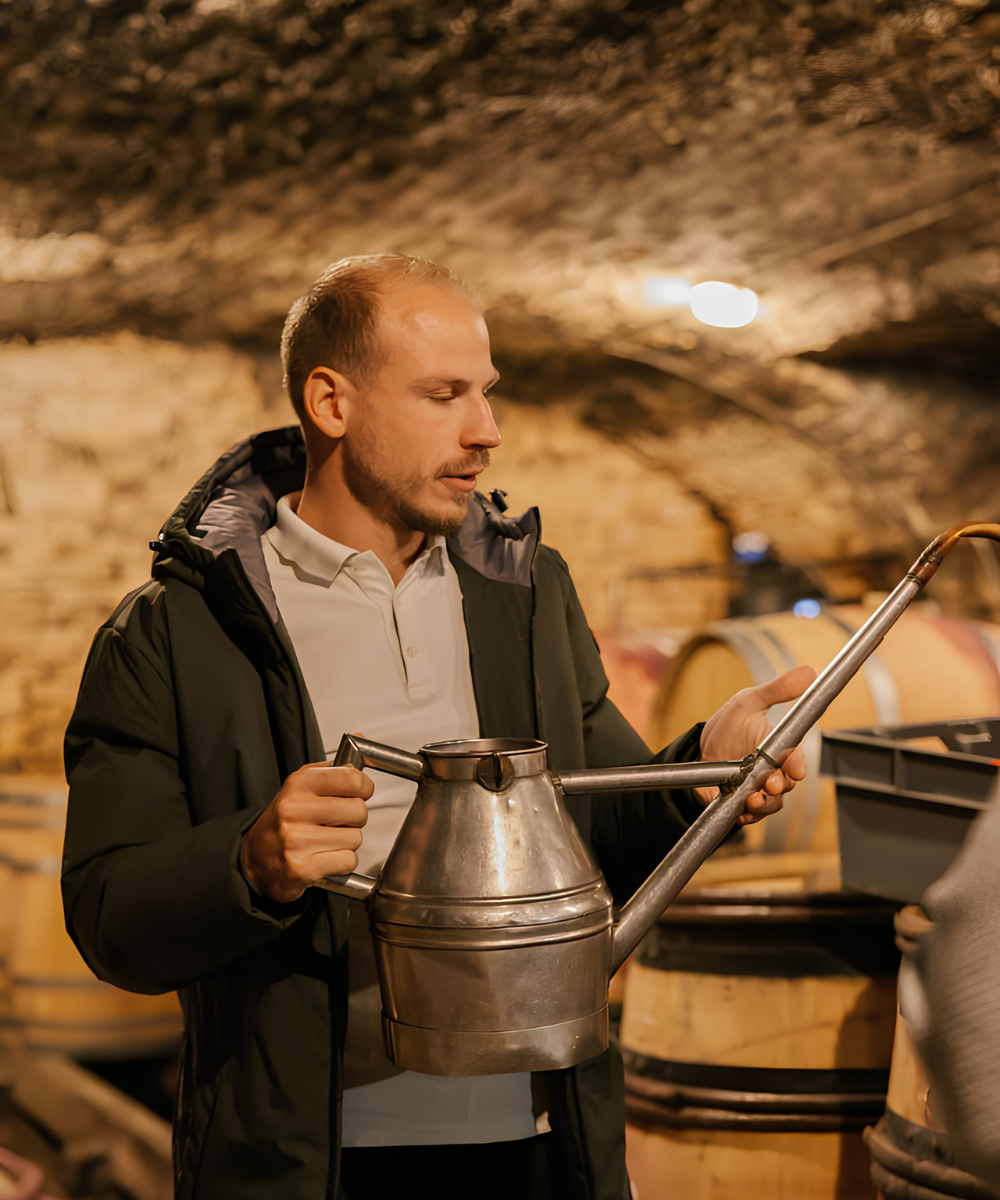
One morning may begin inside a quiet family cellar tasting wines still aging in barrel. Another day may unfold walking Grand Cru vineyards with a sommelier explaining how different producers work within the same site. Lunch may take place privately among the vines, with bottles sourced specifically for the experience.
Throughout the journey, your sommelier acts as both host and interpreter - connecting the wines, vineyards, producers, and history of the region through experiences that would be difficult to access independently.
What the Journey May Include
Your journey may include:
Private cellar visits and tastings arranged through trusted introductions to Burgundy producers
Sommelier-led exploration of Burgundy’s villages, vineyards, and appellation system
Vineyard tastings featuring wines sourced specifically for the experience, including opportunities to taste wines where they are grown
Access to smaller family domaines not typically open for public hospitality
Conversations with winemakers, growers, barrel makers, and other artisans connected to Burgundy’s wine culture
Allocation-focused tastings for collectors seeking rare or difficult-to-source Burgundy wines
Vineyard lunches, private dining experiences, and seasonal meals paired with regional wines
Visits shaped individually around producer availability, seasonal timing, and guest interests
Inside the Work
Cellars, Barrels & Quiet Villages
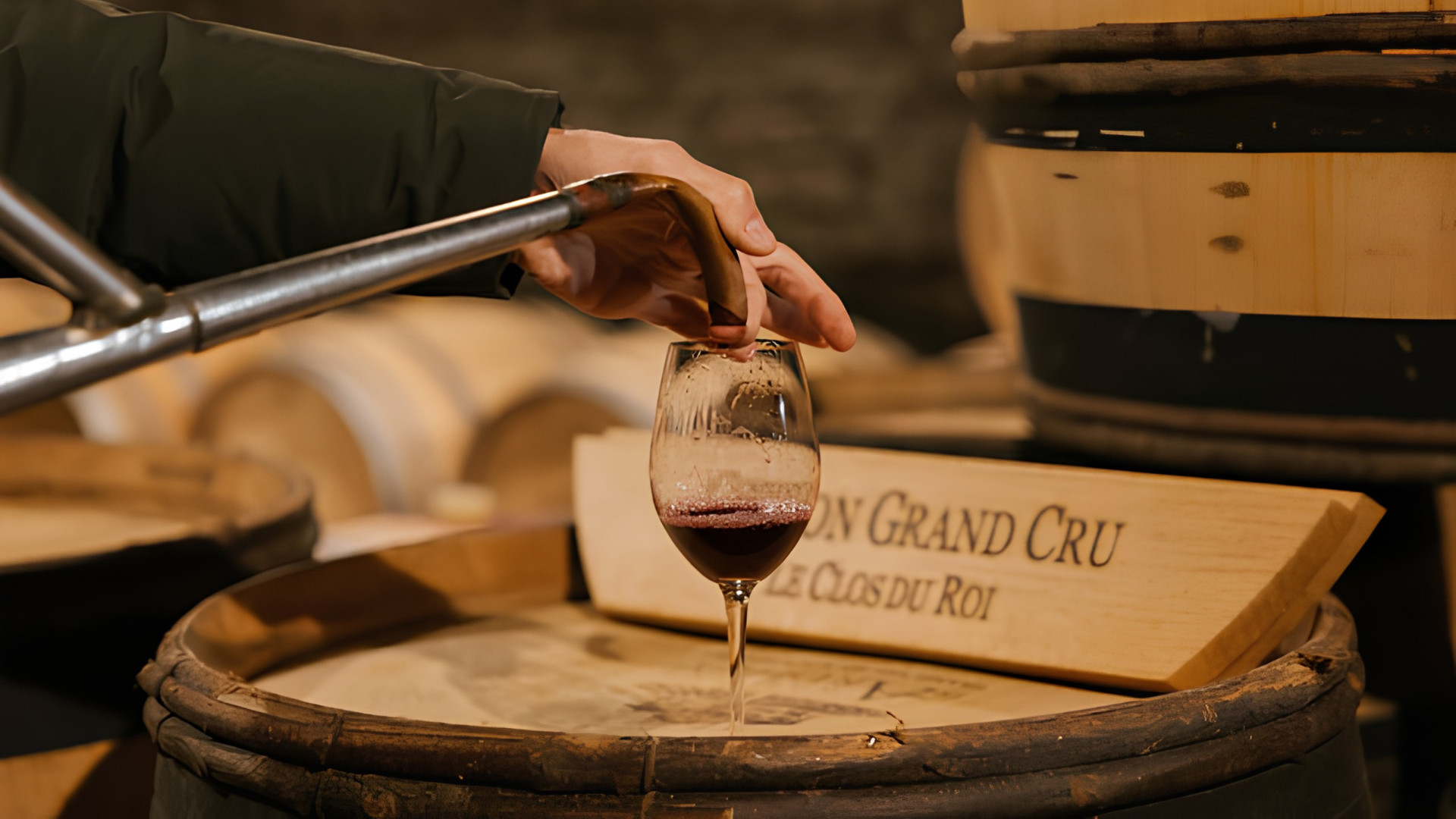
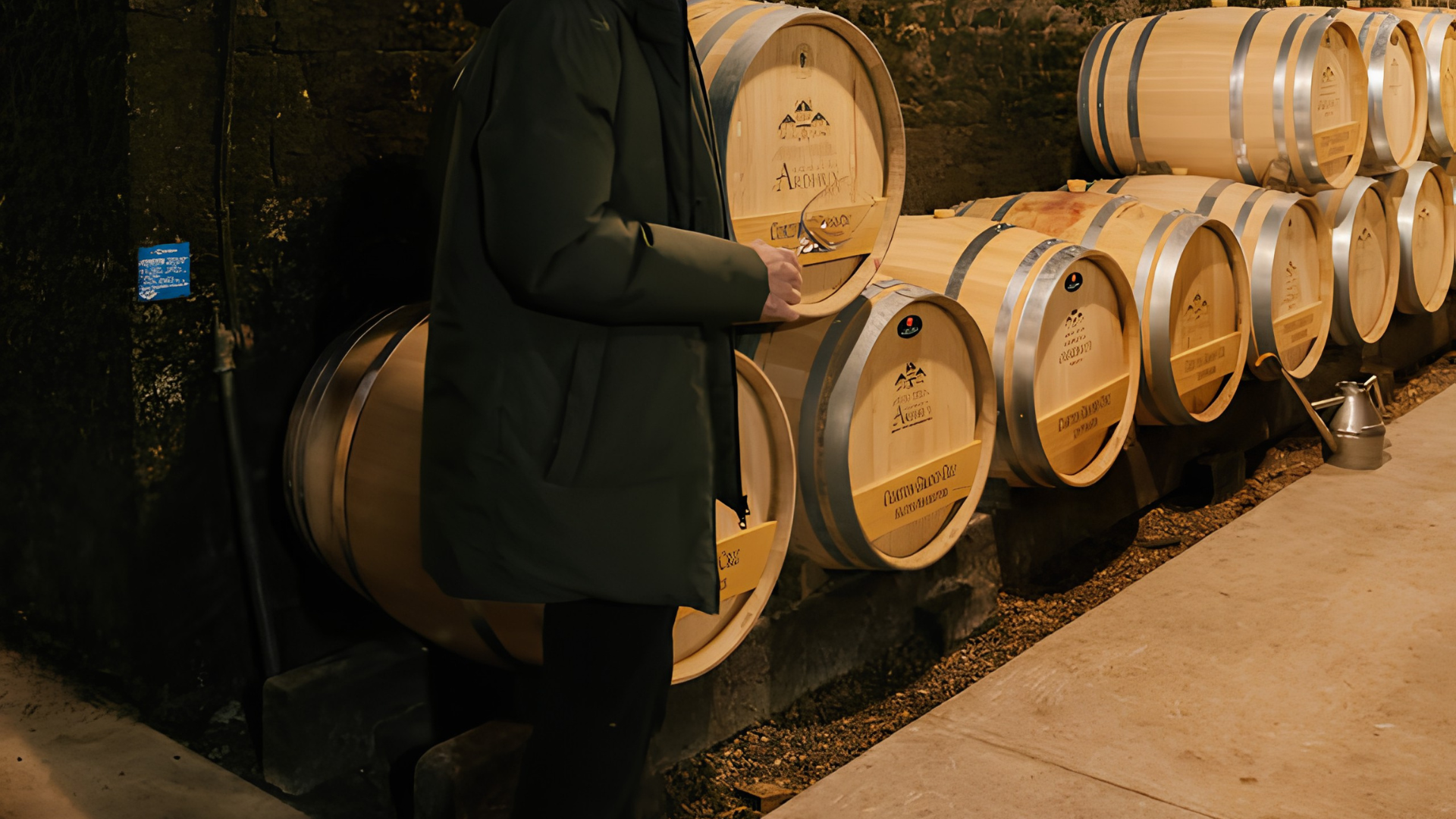
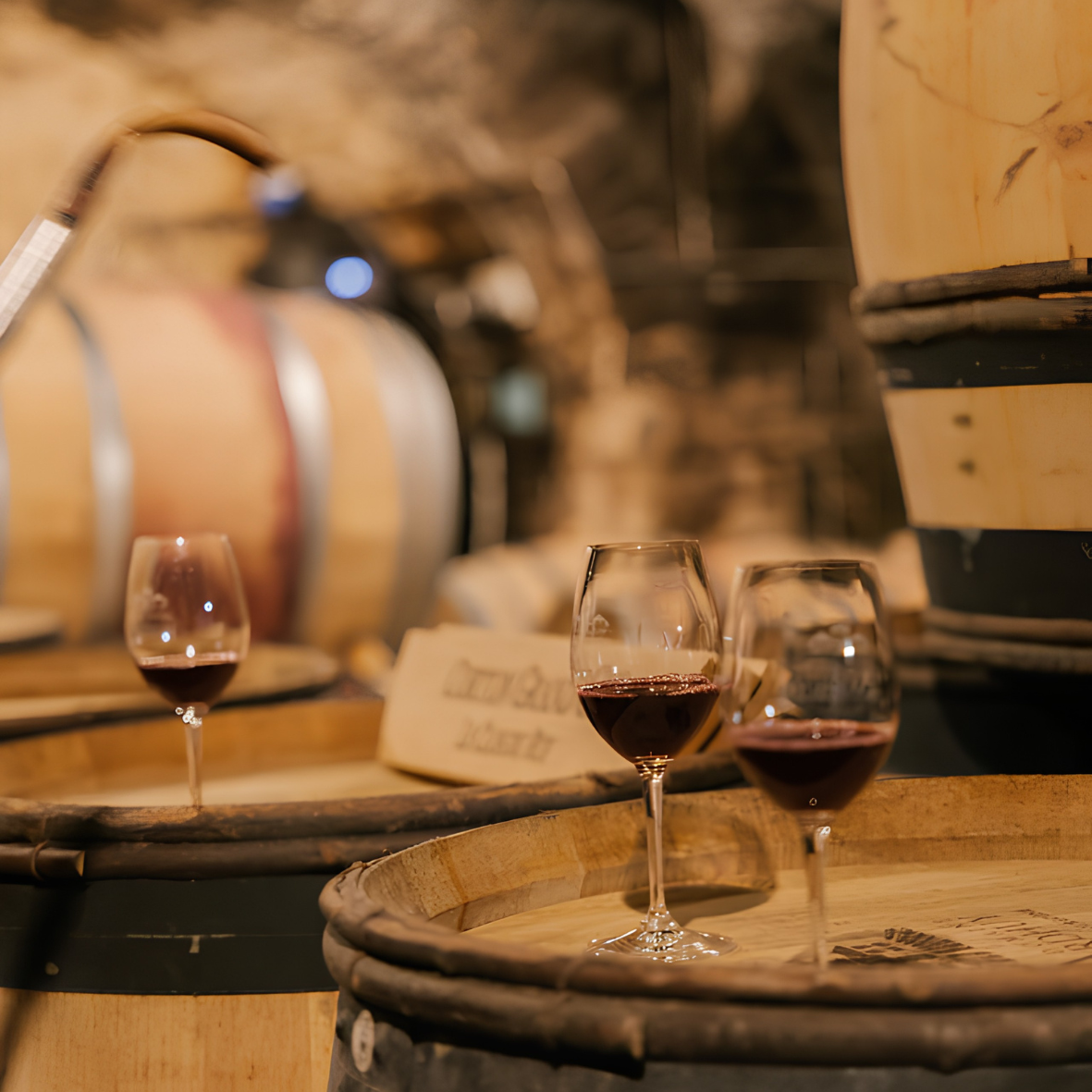
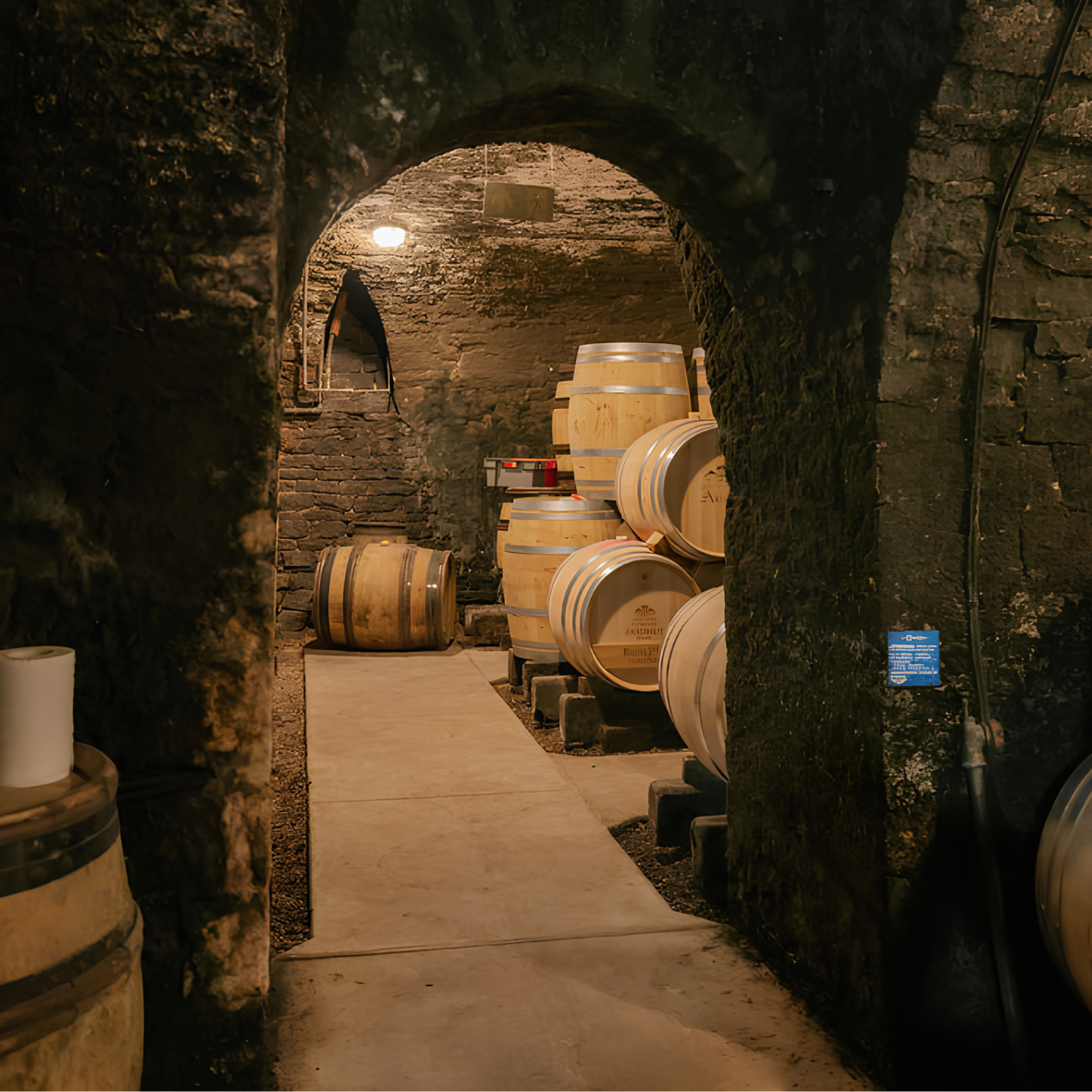
Outside of harvest season, many Burgundy cellars are remarkably quiet. The wines are aging slowly in barrels, often beneath family homes or within small village buildings that have been used for generations.
Visits are less about observing large-scale production and more about experiencing the wines through the people and places shaping them. Producers may walk guests through barrel rooms, explain vineyard decisions, or taste wines directly from a cask while discussing the vintage, the growing season, and the differences between neighboring parcels.
Because Burgundy’s vineyards are often separate from where the wine is aged, experiences frequently move between cellar and vineyard - creating a clearer understanding of how the land, producer, and finished wine connect to one another.
Small Producer Environments
Some visits take place inside compact family cellars where only a small number of barrels line the walls and wines are tasted from active stock rather than curated hospitality selections.
Conversations move naturally between vineyard conditions, harvest decisions, fermentation choices, and the realities of maintaining small-scale Burgundy production over time. Some spaces feel historic and expansive. Others remain quiet and highly personal. The contrast itself becomes part of experiencing the region.
Walking the Parcels
Outside, the focus shifts toward the land.
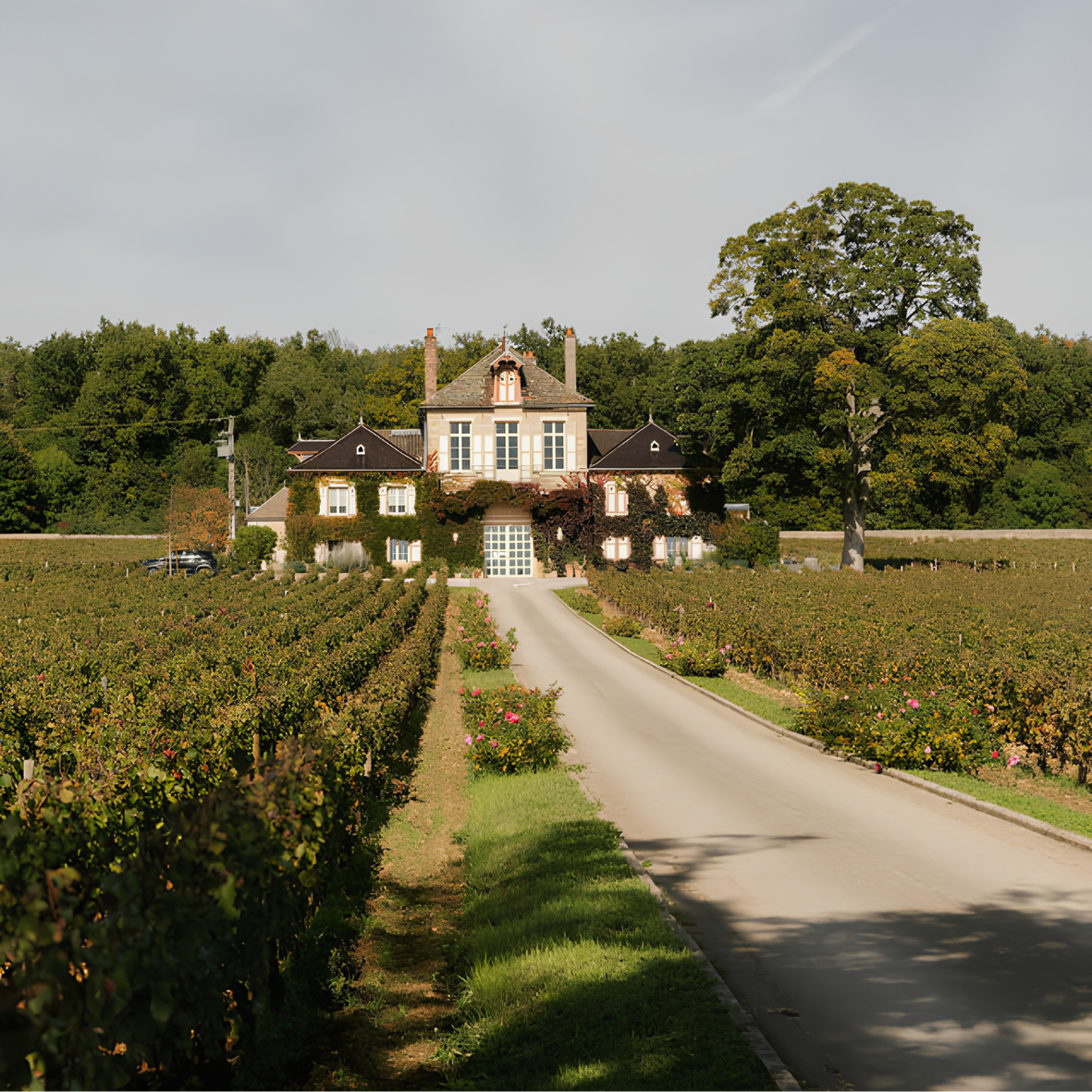
Guests walk vineyard parcels alongside growers and sommeliers while discussing how soil, elevation, exposure, and farming decisions shape the finished wines. Tastings often take place directly in the vineyards themselves, connecting the wine back to the land where it was grown.
The tasting that follows connects directly back to the parcels you have just crossed, allowing the relationship between land, production, and wine to become tangible rather than theoretical.
Beyond the Cellar
Wine remains at the center of the experience, but Burgundy’s food culture is deeply connected to the same families, traditions, and agricultural rhythms shaping the vineyards themselves.
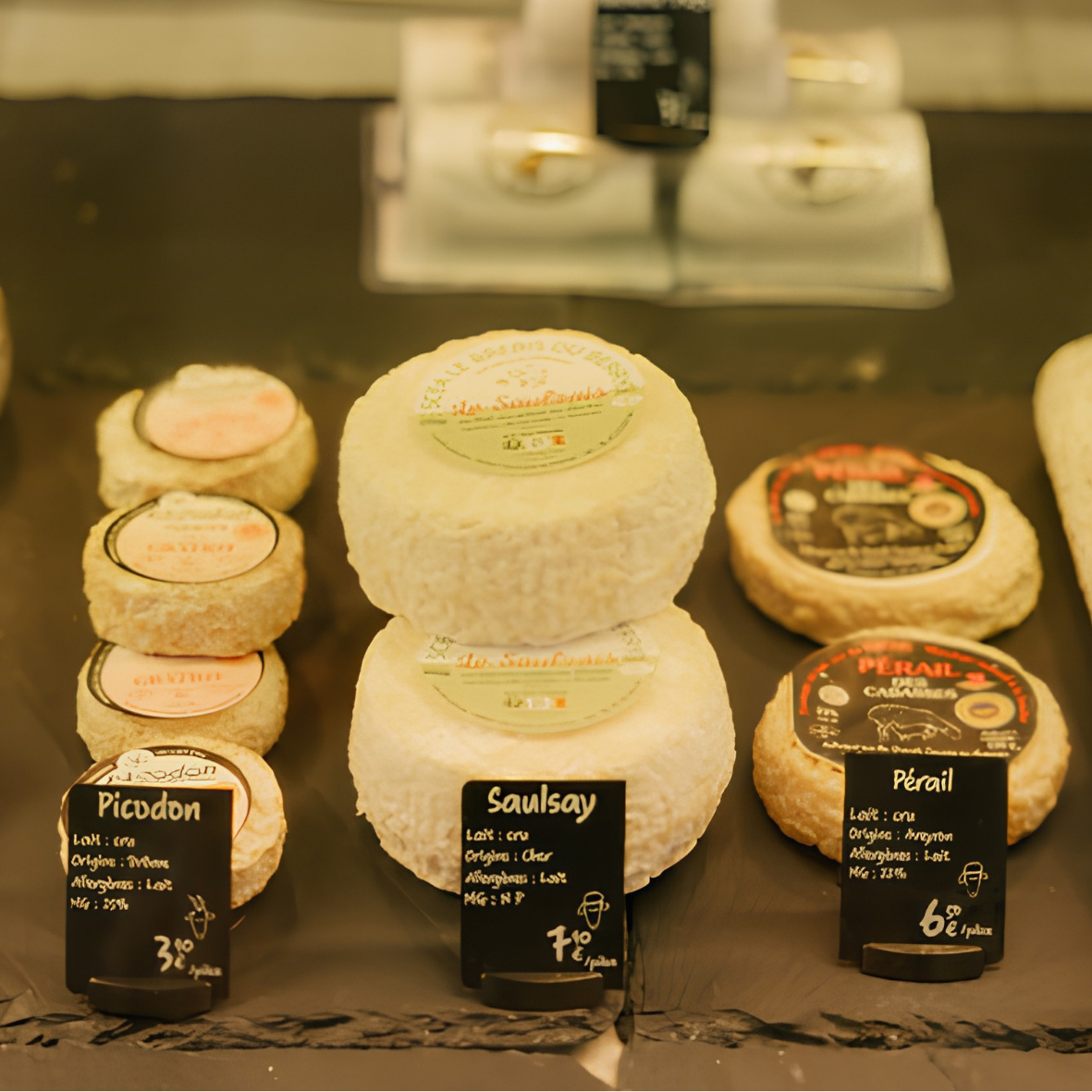
Alongside cellar visits and vineyard tastings, some journeys may include private meals with local hosts, regional cheese experiences, or introductions to artisans connected to Burgundy’s broader gastronomy culture.
Some experiences offer a closer look at Burgundy’s broader agricultural traditions through time spent with regional food artisans and producers. Depending on the season and the individuals involved, guests may explore traditional cheese-making, visit aging cellars, or gain insight into the craftsmanship, local knowledge, and food traditions that continue shaping the region today.
Meals throughout the journey are designed to feel relaxed and regional rather than formal - from vineyard picnics and long lunches to intimate dinners where bottles are opened and discussed over the course of the evening
Plan Your Private Burgundy Journey
Every Burgundy journey is designed individually around guest interests, producer availability, seasonal timing, and the type of access being sought within the region.
Some travelers are looking for classic wine hospitality. Others are drawn to deeper access to Burgundy’s producers, vineyards, and collector culture through trusted introductions and private experiences shaped around the realities of the region itself.
The process begins with a private conversation about your wine interests, travel style, and the kind of Burgundy experience you are looking for - from intimate vineyard lunches and family cellars to allocation-focused tastings and collector-led experiences.
PREFERRED PARTNERS

![MVT-subtitle-black[4].png (Copy) (Copy) (Copy) (Copy) (Copy) (Copy) (Copy)](https://images.squarespace-cdn.com/content/v1/629d189a307b747833636950/1768940900877-BN495Z7LSCTYWFQBIK2L/MVT-subtitle-black%5B4%5D.png)