Burgundy Is Not Just a Wine Region. It Is a Philosophy of Place.
There are places in the world where wine is produced.
And then there is Burgundy.
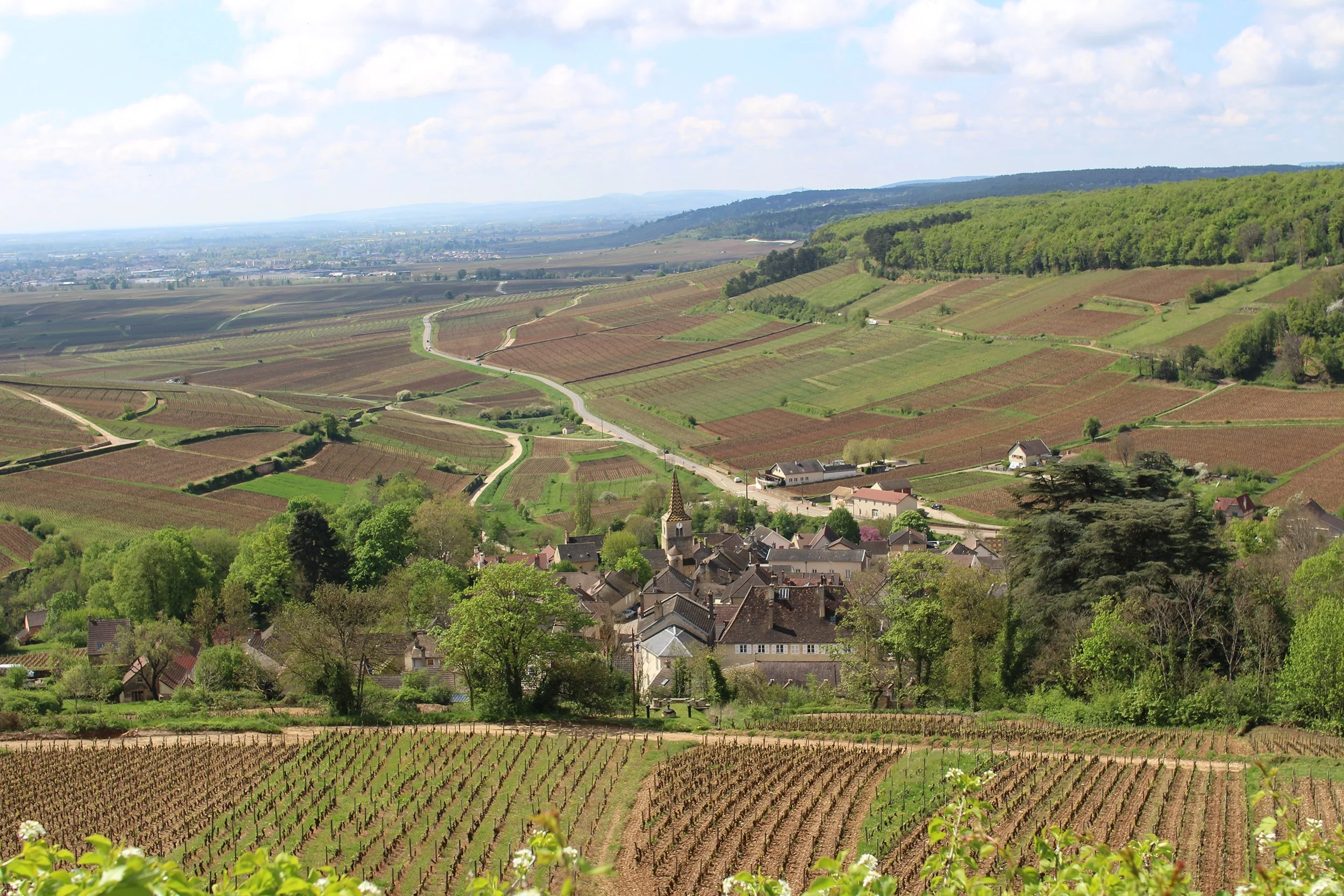
Understanding Burgundy Starts with the Land
A narrow stretch of eastern France, shaped over centuries by monks, farmers, and families who believed something quietly radical: that land itself has a voice. That a slope, a soil, a microclimate could express something distinct, something worth protecting.
This is where the idea of terroir was not just discovered, but refined—studied, debated, and lived.
Walk through Burgundy and you begin to understand it. Vineyards are not vast, anonymous landscapes. They are fragmented into tiny, storied parcels, often no larger than a garden. A single vineyard may be split between dozens of families, each tending their rows as their parents and grandparents did before them.
The result is not scale. It is precision. The wines here are finite. Expressive. Deeply tied to origin in a way that feels almost personal.
And that’s where Burgundy becomes difficult.
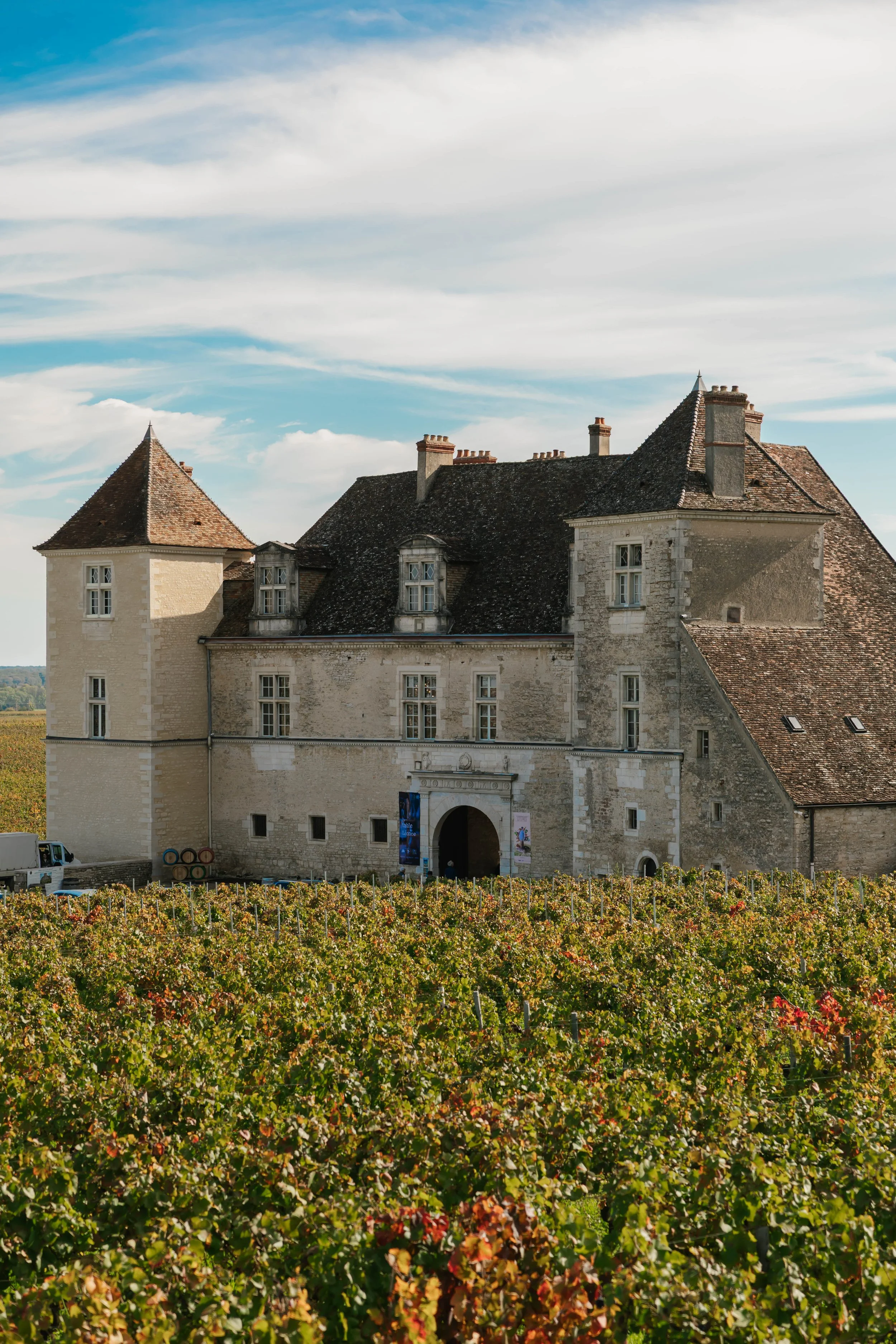
Why You Can’t Just “Do” Burgundy
Burgundy is not a region that reveals itself easily.
Many of its most compelling wines are not exported. They are allocated quietly, shared through relationships, poured at tables where access has been built over time. Even when domaines are technically “open,” visits are often by appointment, and what’s offered publicly is only a small window into what exists behind the scenes.
The Burgundy most people experience is a version of it.
The Burgundy that stays with you is something else entirely.
It exists in:
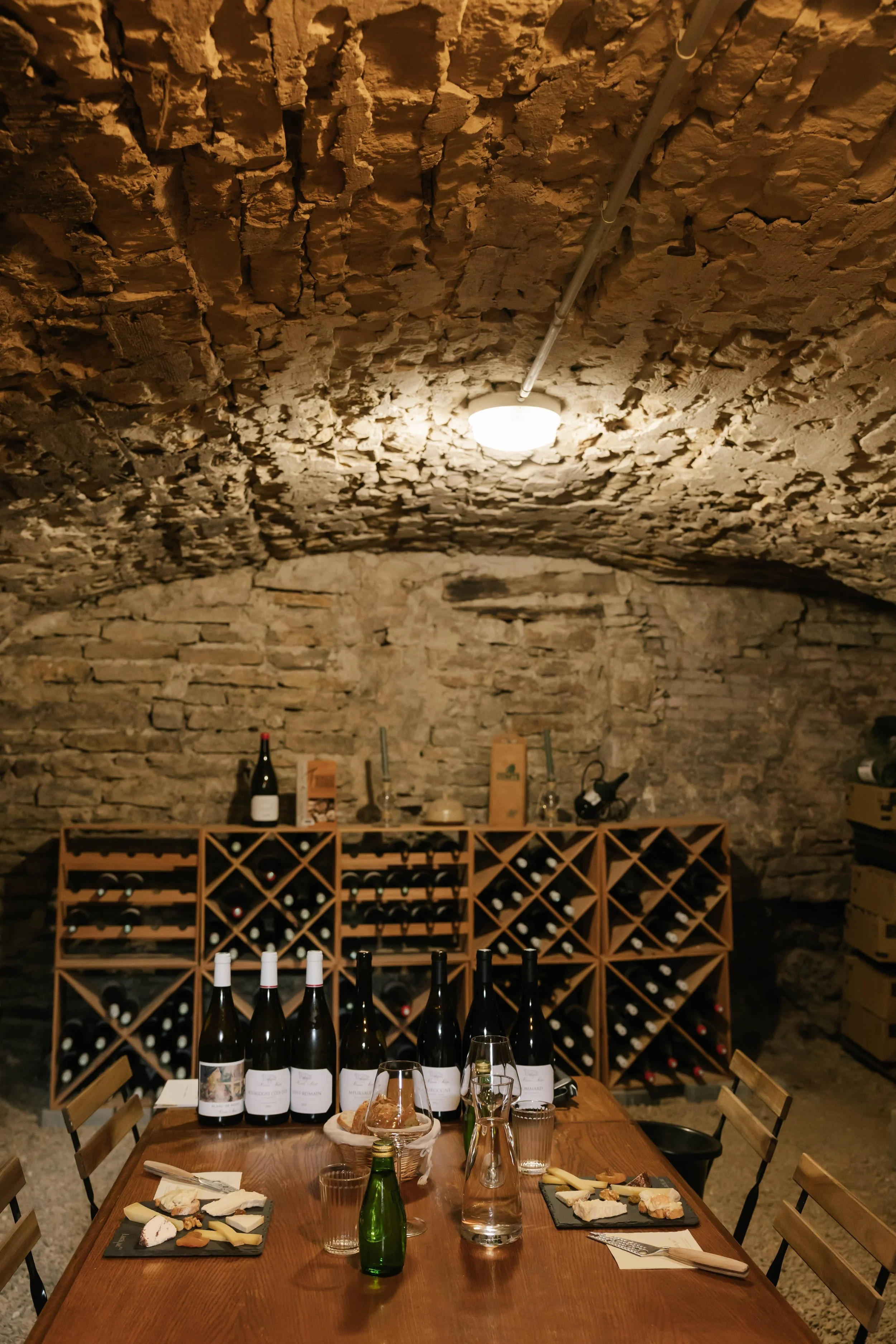
A cellar tasting where the conversation matters more than the structure of the visit
A walk through a vineyard where what you’re seeing connects directly to what’s in your glass
A bottle opened at lunch that was never intended to leave the region
To understand Burgundy, you don’t move quickly. You slow down, you ask questions, and you spend time with the people who shape it.
Access Is Everything
This is where most travel falls short. Burgundy is not a place you “see.” It’s a place you are welcomed into.
And that welcome is built on relationships.
Who introduces you matters. How you arrive matters. The pace of the day matters. There is an unspoken rhythm to Burgundy, and when you get it right, doors open in a way that feels natural rather than arranged.
At Amble, everything we do in Burgundy starts here. We don’t begin with a checklist of wineries. We begin with people.
The sommeliers who guide our experiences are not just there to explain the wines. They are deeply connected to the region. They know which producers are quietly doing exceptional work. They understand who is open to visitors, and when. And they shape each day so it unfolds in a way that feels unforced. Through them, Burgundy shifts.
A tasting becomes a conversation. A visit becomes a relationship. A day becomes something that feels quietly extraordinary.
Beyond the Cellar Door
What makes Burgundy unforgettable is not just the wine. It is everything around it.
A day here is not designed to be rushed. You might begin just outside the Côte d’Or, in a small amphitheatre-shaped village where Pinot Noir is still grown alongside an ancient local grape rarely seen beyond the region. It is the kind of place most travellers never reach, where a winemaker welcomes you in personally, not because it’s on a route, but because the relationship exists.
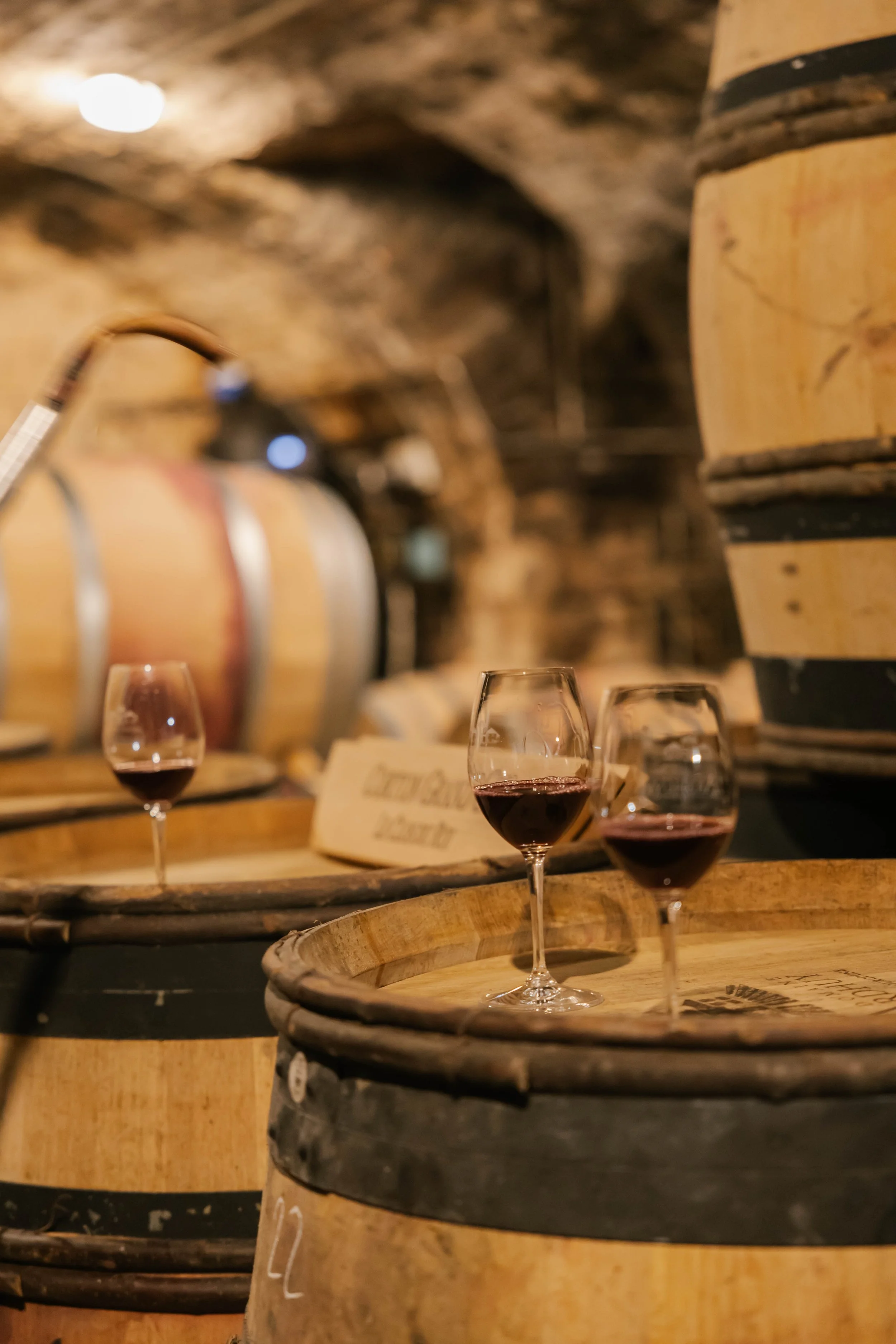
Later, you find yourself walking through vineyard parcels with the person who farms them. Different soils underfoot, different exposures, different philosophies, explained not academically, but in a way that connects directly to what you will taste. In the cellar, those differences come to life across a series of wines that feel inseparable from the land you’ve just walked.
By midday, you sit down to lunch, not somewhere designed for visitors, but somewhere chosen because it reflects the region. The pace is unhurried. The wine list is thoughtful. The experience is allowed to unfold.
And then there are moments you could not plan yourself.
An evening in a private cellar space, closed to the public, opened just for you. A long table, a six-course menu, the entire room yours. The winemaker present throughout the evening, pouring and introducing each wine, sharing stories that never leave the region because the bottles themselves rarely do. Nothing about it feels staged. It simply feels like you have been invited in.
This is Burgundy as it is meant to be experienced. Not observed. But participated in.
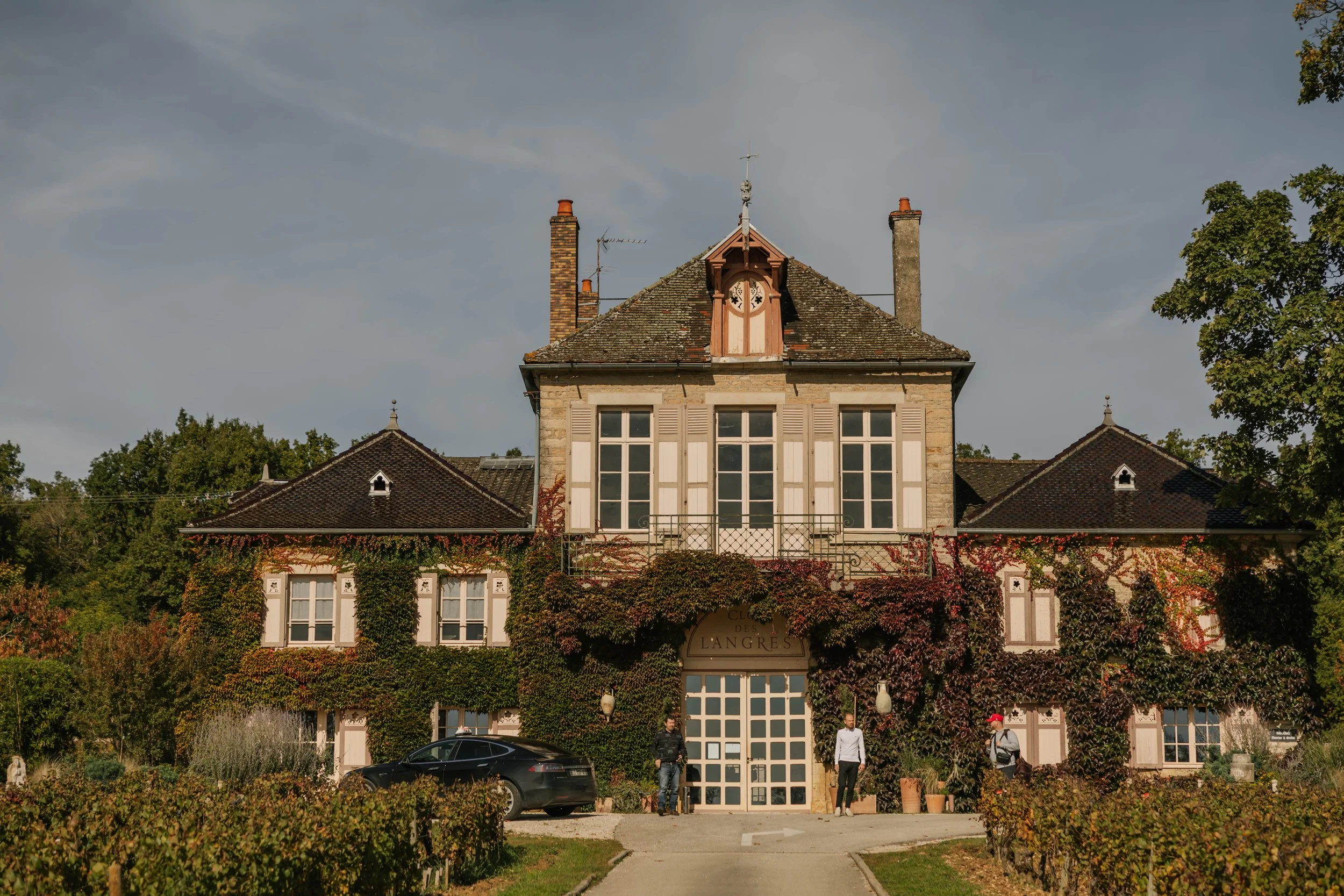
The Amble Way: Thoughtful, Private, Connected
Through Amble, you are invited into Burgundy in a way that feels considered and personal.
Not rushed. Not performative. Not transactional.
We design each journey around access, but also around pacing. Because in Burgundy, how you experience something matters just as much as what you experience.
That might mean:
Private tastings with winemakers, shaped around conversation rather than schedule
Vineyard walks that connect directly to what’s in your glass
Time built in for long, unhurried lunches that reflect the region
Evenings that feel more like being hosted than being booked
It is not about fitting more in. It is about understanding what is worth slowing down for.
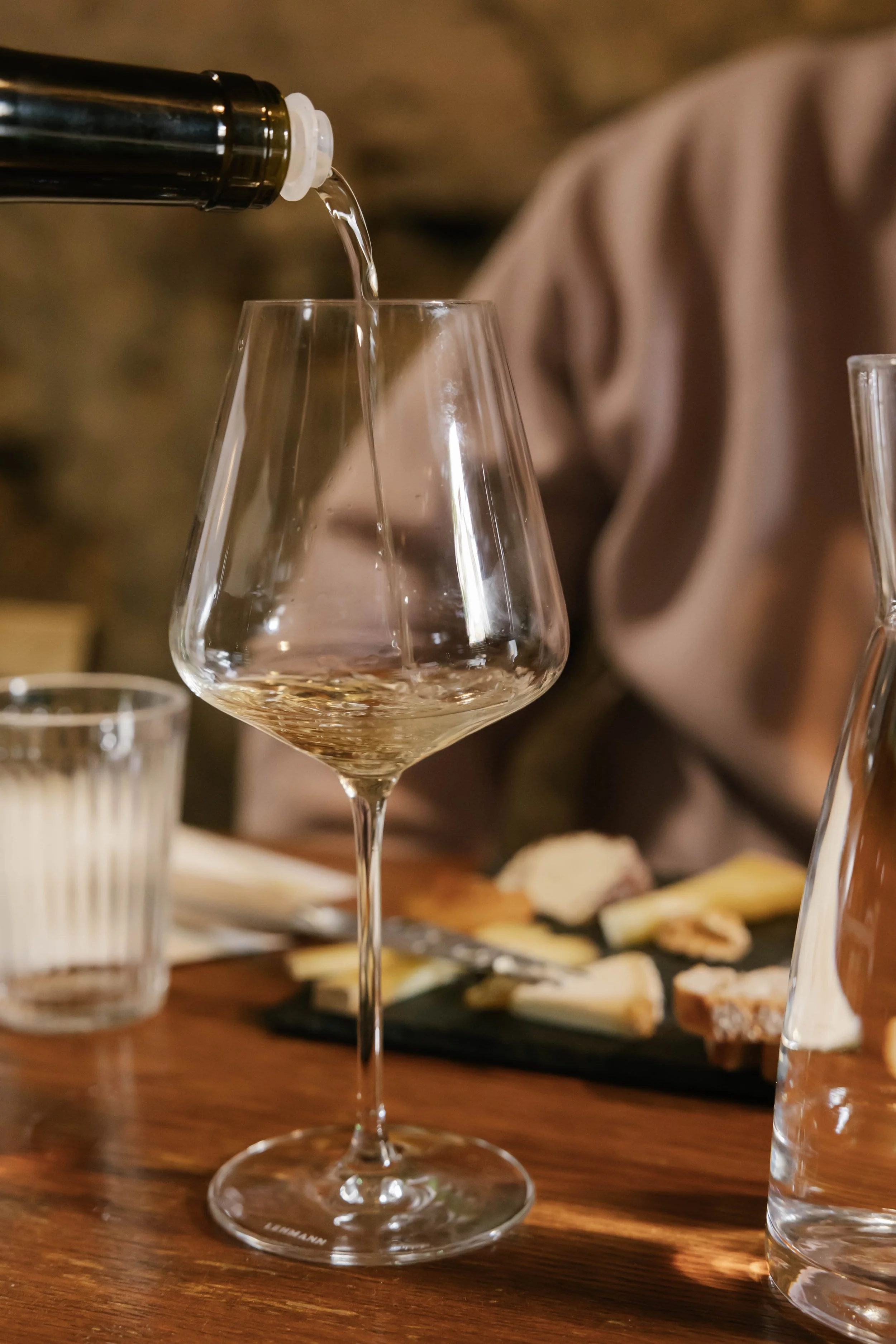
A Different Way to Experience Wine
Burgundy has a way of changing how you think about wine. It moves you away from labels and into stories. Away from tasting notes and into context. Away from consumption and into connection.
And once you experience it that way, it is difficult to go back.
Because you realise something simple. The wine was never the whole point. It was always about the place, and the people who bring it to life.